
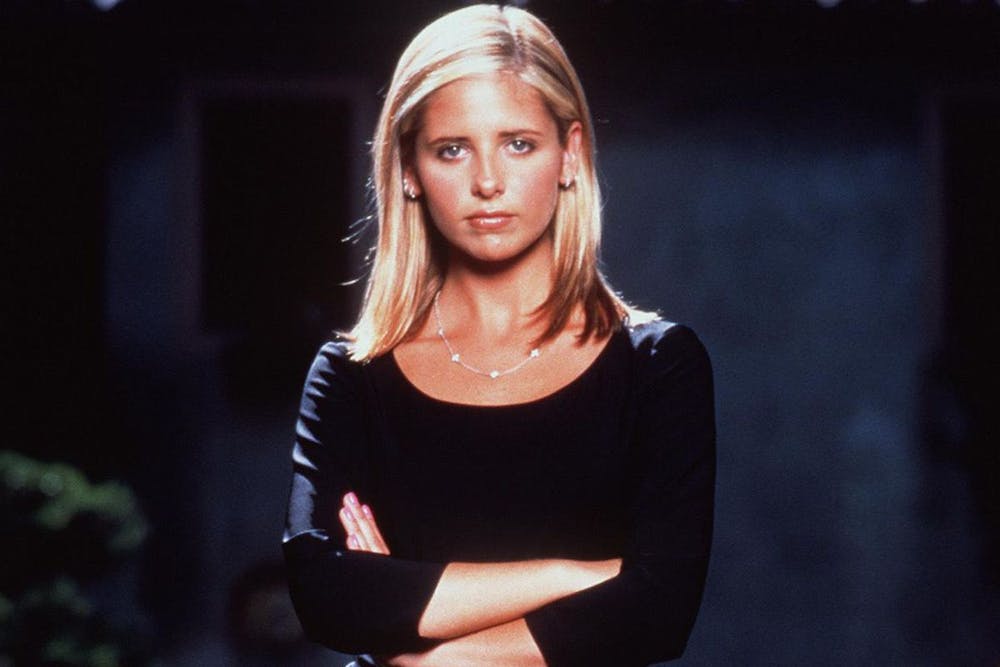
“Buffy the Vampire Slayer” stands as a timeless TV series that seamlessly blends supernatural elements with relatable human struggles. Created by Joss Whedon, this show has etched its mark on pop culture, captivating audiences with its unique premise and unforgettable characters.
The Birth of the Slayer:
At the core of the series is Buffy Summers, a seemingly ordinary high school student who is destined to be the Slayer – a chosen one tasked with battling vampires and other supernatural forces. This concept, which reimagines the classic “damsel in distress” trope, flips the script and places a strong, empowered woman at the forefront.
Characters that Transcend Time:
The characters of “Buffy the Vampire Slayer” are more than just roles; they’re lifelike personas that have left an indelible mark on viewers’ hearts. Buffy’s journey from reluctant hero to fierce leader resonates with anyone who’s navigated the challenges of growing up.
Monsters as Metaphors:
Beyond its supernatural exterior, the series is a masterclass in using monsters and demons as metaphors for real-life struggles. From the challenges of adolescence to the complexities of relationships, each supernatural threat represents an aspect of the human experience, allowing viewers to connect on a deeper level.

Complex Relationships:
The relationships depicted in the series are as multifaceted as they come. From Buffy’s deep friendships with Willow and Xander to her tumultuous romance with the vampire-with-a-soul Angel, each connection is layered with emotion, growth, and heartache.
Feminism and Empowerment:
“Buffy the Vampire Slayer” broke new ground by showcasing a female protagonist who wasn’t just strong physically, but also emotionally and mentally. The show’s feminism is undeniable, as it challenges traditional gender roles and offers a diverse range of female characters who are anything but one-dimensional.
Tackling Taboos and Issues:
The series fearlessly tackled taboo subjects and addressed pressing social issues, using its supernatural setting as a backdrop for exploration. From addiction to identity struggles, the show shed light on human complexities in a way that resonated deeply with its audience.

Cult Following and Lasting Legacy:
The show’s dedicated fanbase, known as the “Buffyverse,” continues to thrive even years after its original run. Conventions, fan fiction, and academic analyses keep the flame alive, and its influence can be seen in subsequent TV series that blend genres and push boundaries.
“Buffy the Vampire Slayer” isn’t just a TV series; it’s a cultural touchstone that ignited conversations about feminism, empowerment, and the human experience. Its legacy endures through its unforgettable characters, intricate storytelling, and its ability to resonate with audiences of all ages. In a world where the line between monsters and humanity is often blurred, “Buffy” reminds us that the strength to face our demons comes from within.
 Tommy Geraci Entertainment