

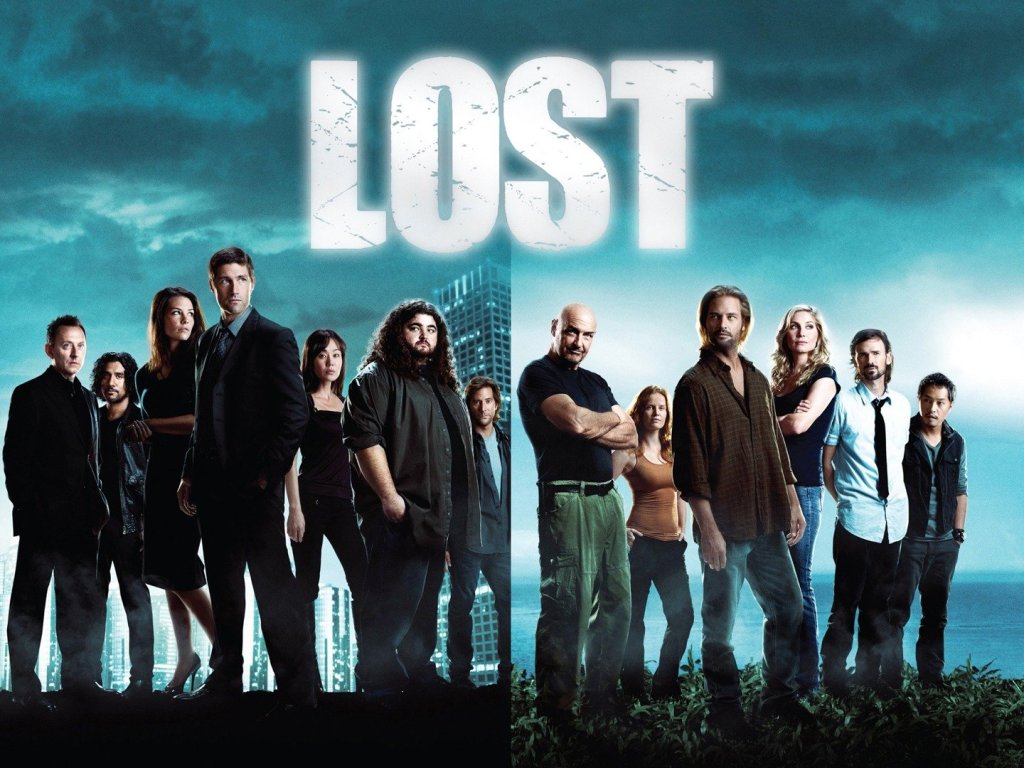
“Lost,” the iconic TV series that captivated audiences worldwide, took viewers on a thrilling ride through mystery, drama, and intrigue. Created by J.J. Abrams, Damon Lindelof, and Jeffrey Lieber, the show premiered in 2004 and quickly became a cultural phenomenon. With its complex characters, intricate storyline, and enigmatic island setting, “Lost” remains a topic of discussion and analysis even years after its conclusion.
Unveiling the Premise:
Set against the backdrop of a remote, mysterious island, “Lost” begins with the survivors of Oceanic Flight 815 crashing onto its shores. What starts as a tale of survival quickly evolves into something much deeper. Each episode alternates between present-day events on the island and flashbacks that delve into the characters’ pasts, gradually revealing their intricate connections.
The Enigmatic Island:
The island itself becomes a character in its own right, shrouded in mystery and imbued with supernatural elements. The island’s secrets, including the Dharma Initiative, the Smoke Monster, and the numbers, keep viewers on the edge of their seats as they strive to unravel the enigma.

Complex Characters and Their Journeys:
“Lost” boasts a diverse cast of characters, each with their own backstories and personal struggles. From Jack Shephard’s leadership dilemmas to John Locke’s quest for purpose, every character embarks on a journey of self-discovery. The show skillfully intertwines their paths, often blurring the lines between hero and villain.
Themes of Fate and Redemption:
Central to “Lost” are themes of destiny and redemption. The survivors find themselves connected by circumstances that challenge their beliefs and perceptions. As the characters grapple with their past mistakes, they are presented with opportunities for redemption, ultimately reshaping their futures.
Theories and Speculation:
The intricate narrative of “Lost” fueled countless fan theories and speculation. As viewers attempted to piece together the puzzle, discussions about time travel, alternate realities, and the island’s true nature ran rampant. While the show’s creators provided answers, some mysteries intentionally remained open-ended, inviting interpretation.
Legacy and Impact:
“Lost” left an indelible mark on television history. Its innovative storytelling techniques, complex character arcs, and willingness to explore philosophical questions set a new standard for serialized dramas. The show’s legacy is evident in subsequent series that adopted its narrative approach.
“Lost” stands as a testament to the power of storytelling and its ability to engage, challenge, and mystify audiences. As viewers continue to revisit the show and newcomers discover its intricacies, the legacy of “Lost” remains alive, reminding us of the magic that can be woven through television.
 Tommy Geraci Entertainment