
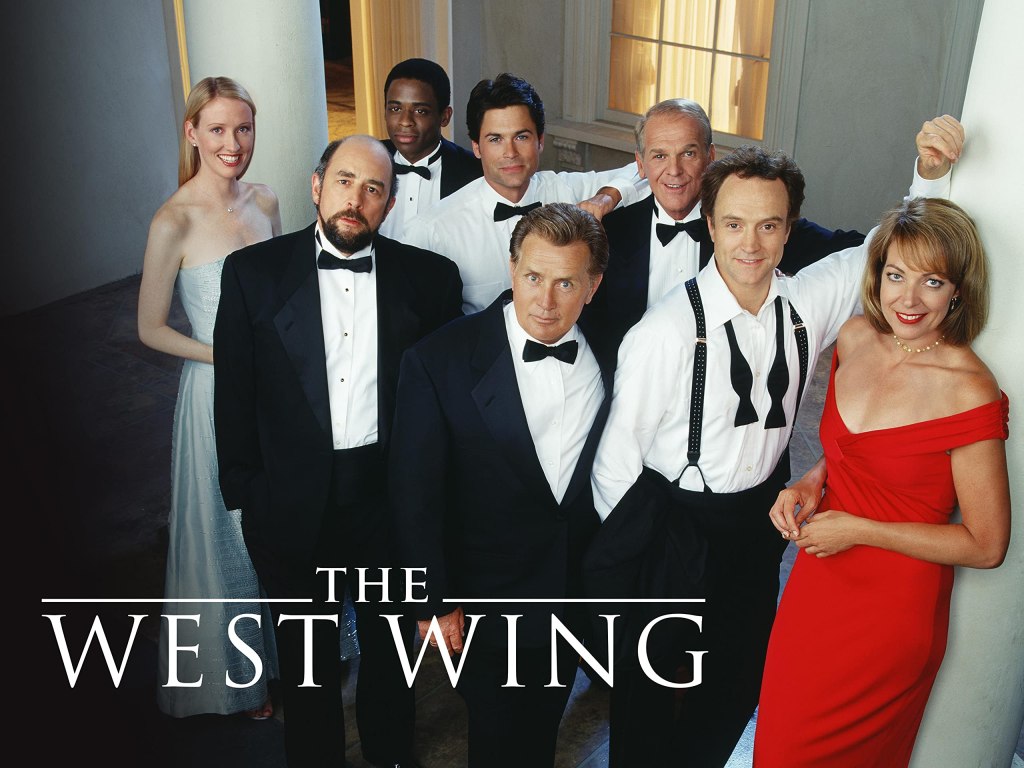
“The West Wing,” a critically acclaimed television series created by Aaron Sorkin, captivated audiences for seven seasons with its compelling storytelling, sharp dialogue, and behind-the-scenes look at the inner workings of the White House. Premiering in 1999, the show quickly gained a dedicated following and left an indelible mark on television history.
**Setting the Stage**
Set in the fictional Bartlet administration, “The West Wing” introduced viewers to President Josiah Bartlet and his team of advisors as they navigated the challenges of governing the United States. The show’s unique approach focused not only on political issues but also on the personal lives and relationships of the characters, creating a multi-layered narrative that resonated with viewers.
**Political Realism and Idealism**
One of the show’s strengths was its ability to balance political realism with idealism. The characters faced complex policy decisions, ethical dilemmas, and moral quandaries, reflecting the complexities of real-world politics. At the same time, the show portrayed a sense of optimism and a commitment to public service that inspired viewers and showcased the best aspects of governance.

**Dialogue and Walk-and-Talks**
“The West Wing” became known for its rapid-fire dialogue and signature “walk-and-talk” scenes, where characters would engage in intense conversations while moving through the corridors of the West Wing. This dynamic style not only added a sense of energy to the show but also highlighted the fast-paced nature of decision-making in the White House.
**Character Depth and Development**
The characters of “The West Wing” were multi-dimensional and underwent significant growth throughout the series. From President Bartlet’s brilliant but flawed leadership to Josh Lyman’s idealism and Deputy Chief of Staff C.J. Cregg’s resilience, each character brought a unique perspective to the table. This depth allowed viewers to connect with the characters on a personal level and invest in their journeys.
**Social and Political Impact**
Beyond entertainment, “The West Wing” had a broader impact on society. It engaged viewers in conversations about important political and social issues, from healthcare and education to foreign policy and civil rights. The show’s exploration of these topics encouraged audiences to think critically about the challenges facing the nation and inspired some to pursue careers in public service.
**Legacy and Enduring Relevance**
Although “The West Wing” concluded its run in 2006, its legacy lives on. The show’s themes of leadership, integrity, and the complexities of governance remain relevant, making it a favorite for both new and returning viewers. The show’s influence can also be seen in subsequent political dramas that have attempted to capture its unique blend of wit, drama, and insight.
In conclusion, “The West Wing” is more than just a television show—it’s a cultural touchstone that continues to resonate with audiences. Its exploration of politics, ethics, and personal relationships set a high bar for television storytelling, leaving an enduring impact on the way we view both the White House and the people who inhabit it. Whether you’re a political junkie or simply a fan of compelling drama, “The West Wing” offers something for everyone.
 Tommy Geraci Entertainment