
When actors and writers decide to go on strike, it is often in pursuit of fair wages, improved working conditions, and better treatment within the entertainment industry. As a supporter of the arts and the individuals who bring stories to life, you can play a crucial role in showing solidarity with actors on strike. Here are five impactful ways you can support them during these challenging times.
1. Stay Informed and Spread Awareness:
One of the most important ways to support actors and writers on strike is to educate yourself about the issues they are fighting for. Stay updated on the reasons behind the strike, the specific demands being made, and the impact it has on actors’ lives. Share this information with others through social media, word of mouth, or even writing letters to local newspapers. By raising awareness, you contribute to a larger conversation and encourage understanding and empathy.
2. Join Demonstrations and Protests:
Public demonstrations and protests are powerful tools for drawing attention to the cause and putting pressure on the relevant stakeholders. Participate in peaceful demonstrations organized by actors’ and writers’ unions or advocacy groups. These events offer a collective platform to express solidarity and demand fair treatment for actors. Your presence demonstrates support and amplifies the voices of those fighting for change. Even if you participate by sharing information or signing petitions online, you are helping.
3. Boycott Productions and Companies Involved in Unfair Practices:
Another impactful way to support actors and writers on strike is by boycotting productions and companies that are known to engage in unfair practices. Research which shows, studios, or networks are involved in disputes with actors and refrain from supporting their projects until the strike is resolved. By hitting these entities financially, you send a clear message that you stand with the actors and expect fair treatment. This may mean canceling streaming subscriptions, cable, and not supporting movie theaters. That may sound difficult, but it may be necessary and help a great deal in the long run. Especially when it comes to inspiring the big wigs to actually negotiate fairly and swiftly.
4. Donate to Actors’ and Writers’ Support Funds:
Strikes can place a financial burden on actors and writers who are temporarily out of work. Consider donating to actors’ and writers’ support funds or relief organizations established to assist those affected by the strike. These funds provide crucial assistance with medical expenses, legal fees, and basic living costs. Your financial contribution can help alleviate the financial strain and provide actors with much-needed support during their time of need.
5. Engage in Constructive Dialogue:
Engaging in constructive dialogue can foster understanding and create a space for positive change. Reach out to actors’ unions, industry professionals, and production companies to express your support and inquire about their perspectives on the issues at hand. By having open conversations and seeking common ground, you contribute to the broader dialogue and help facilitate productive solutions.
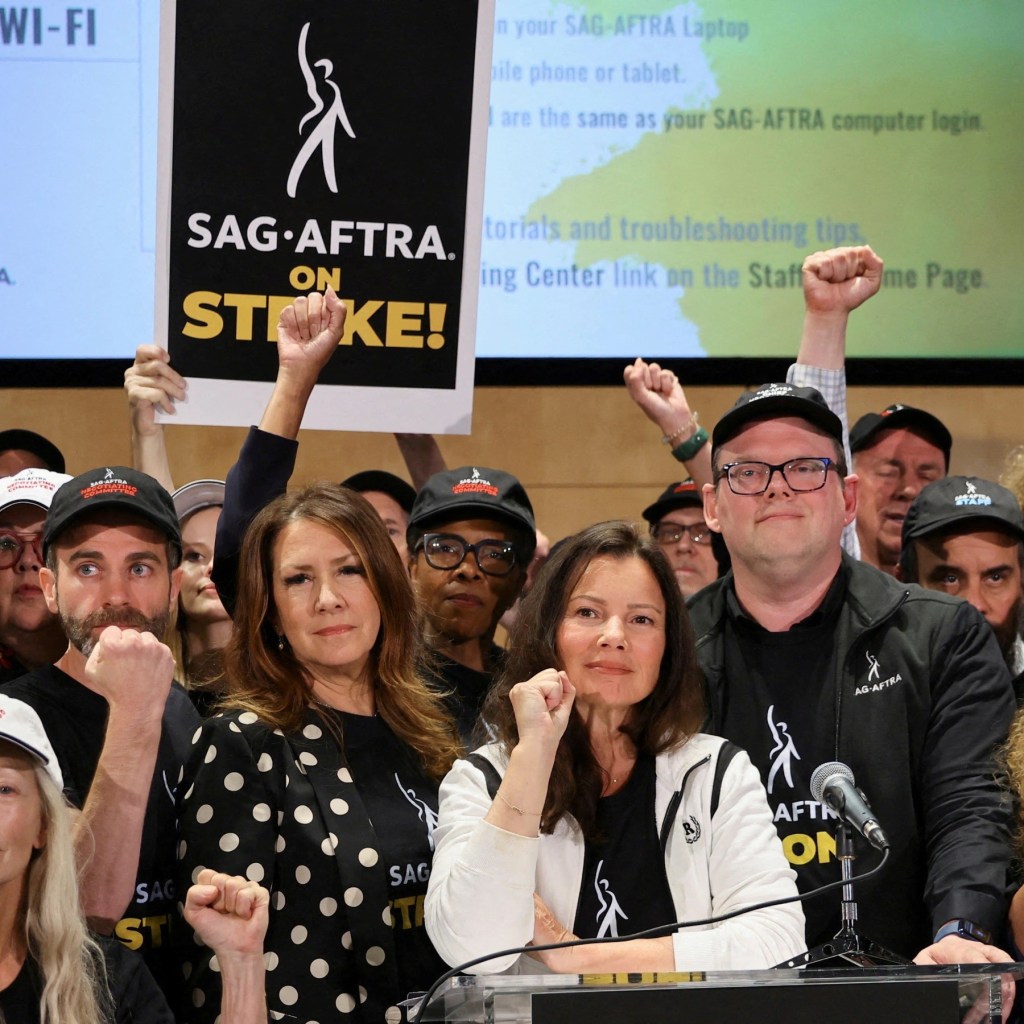
Supporting actors on strike requires collective effort and solidarity. By staying informed, spreading awareness, participating in demonstrations, boycotting unfair productions, donating to actors’ support funds, and engaging in constructive dialogue, you play an integral role in standing up for the rights and well-being of actors. Remember, your support not only impacts the present strike but can contribute to long-lasting improvements within the entertainment industry, ensuring a fair and sustainable future for all actors.
What they are fighting for in this industry is what we all need to be fighting for. Fairness, RESPECT, proper pay and recognition, less control by greedy individuals who make much more than they need to, and basic human rights. As always what affects one group affects us all, if not right now, it will be everyone’s problem soon enough if we don’t all stand tall.
 Tommy Geraci Entertainment